




















THE HISTORY OF UNITY CORPS (page 2)
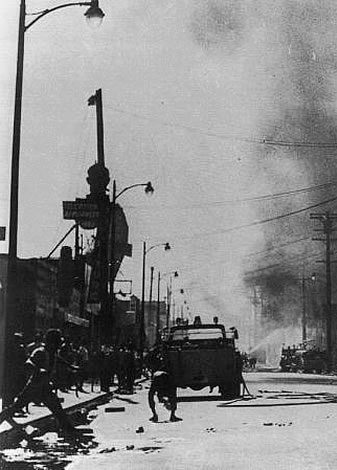
As a major world city with a 21st century metropolitan area population of over 12 million people and more than 200 distinct foreign languages spoken daily, Los Angeles reflects the great diversity of cultures that exist throughout our world. It is, literally, a microcosm of humanity itself. As such, with an influx of immigrants from every corner of the earth, L.A. has often experienced the huge problems that can occur when groups of divergent cultures cohabitate.
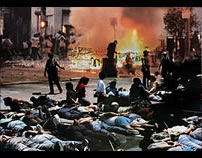
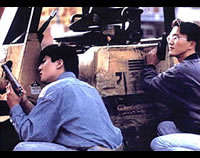
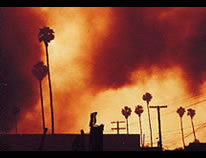
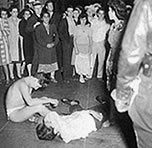
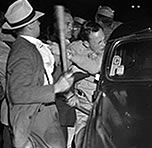
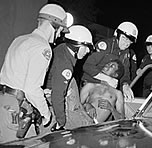
Although, it wouldn't be until the L.A. Riots of '92 that the formation and adoption of the name Unity Corps was first officially used; the atmosphere of disharmony between ethnic groups had long existed in Southern California prior to this tragic event of American history. In the later half of the 20th century alone, Los Angeles had severely felt the woes of no less than three major ethnically charged riots. The first came about on May 31, 1943, in what become nationally known as the "Zoot Suit Riots" where hundreds of American servicemen on leave from the campaigns of World War II fought a series of urban street battles with teenagers from the Mexican-American, African-American, and Filipino-American communities. Despite that the initial primary targets of these military men were allegedly intended to be only members of Mexican-American gangs commonly referred to as "pachucos"; many other innocent teens in the city who had also adopted their zoot suit style of fashion were additionally brutalized. During these two weeks which saw literally thousands of servicemen, ethnic minority youths and common citizens fighting in the streets of America, the press had repeatedly reported that the whole specifically targeted Mexican-American population were merely "hoodlums" who are "prone for criminal activity" versus the actuality of being victims to an ignorance in the servicemen they fought. This type of heavily biased reportage in favor of the servicemen and against many of the innocent Latin teens resulted in a widespread anger within the Latino community which